Custom Fence Installation Solutions for Both Residential & Commercial Properties
Tailored fence installation services play an essential role in enhancing both residential and commercial properties. They deliver security, privacy, and curb appeal while defining property boundaries. With numerous material options available, homeowners and business owners can find options that meet their requirements. Skilled installation ensures full compliance with local building codes. Yet, the advantages go far beyond simple installation—knowing how to select the appropriate design and material can significantly influence the property's worth. Which factors should property owners evaluate when making these selections?
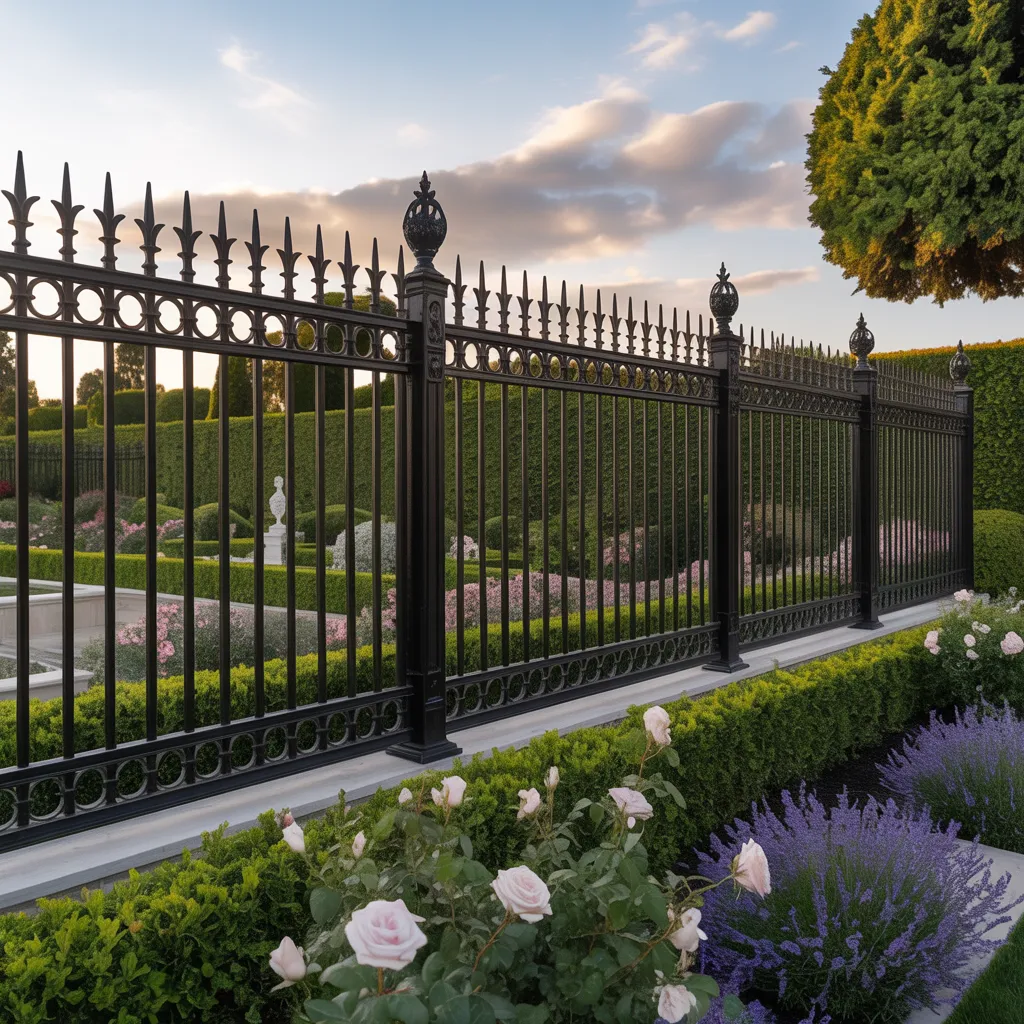
Why Custom Fencing Is Vital for Your Property
When thinking about home improvements, most homeowners discover that custom fences are not simply a decorative option but a worthwhile investment. Custom fences offer numerous advantages that reach further than visual appeal. They improve safety by establishing a solid barrier that prevents unwanted visitors and safeguards children and animals. Additionally, these fences offer privacy, enabling homeowners to experience their outdoor spaces free from unwanted observation.
Additionally, customized fences can clearly mark property boundaries, preventing disputes with neighbors and maintaining conformity with local codes and ordinances. They also contribute to the property's overall worth, boosting its appeal for interested buyers.
From a functional standpoint, custom fences can be designed to fulfill specific needs, such as gates that provide convenient entry or details that elevate landscape design. At the end of the day, choosing a custom fence represents a wise investment that fulfills several functions, enhancing both the overall utility of the property and its aesthetic appeal.
Comparing Popular Fencing Materials: Wood, Vinyl, and Metal
When evaluating fencing options, metal, wood, and vinyl each present unique benefits and drawbacks. Cost comparisons reveal notable distinctions in initial expenses and long-term upkeep costs. Understanding these factors can enable property owners make informed decisions tailored to their needs.
Benefits And Drawbacks
Multiple fencing materials, including wood, vinyl, and metal, all offer unique benefits and drawbacks that may affect a homeowner's selection. Wood is frequently chosen for its natural aesthetic and versatility but requires regular maintenance to protect against rot and infestations. Vinyl, in contrast, is simple to care for and protective against fading and infestations, rendering it a reliable long-lasting choice; however, it might not capture the classic charm of wood. Metal fencing, such as aluminum or wrought iron, provides strong security and longevity but tends to require a larger investment and might need periodic upkeep to avoid corrosion. Each material presents unique characteristics, allowing homeowners to weigh their specific needs and preferences when determining the best fencing alternative.
Cost Analysis
As homeowners commonly emphasize appearance and practicality when choosing fencing options, cost remains a critical factor in the evaluation process. Wooden fencing generally offers a lower initial investment but requires ongoing maintenance, which may raise overall costs over time. On the other hand, vinyl options, though more expensive initially, deliver resilience and reduced upkeep requirements, rendering them a financially smart selection over the years. Metallic fencing options, such as aluminum and steel, typically comes with a greater upfront investment yet is well known for its durability and ability to supplementary information withstand weather conditions, consequently lowering anticipated maintenance costs. At the conclusion of the decision process, the comprehensive cost assessment—factoring installation, maintenance, and lifespan—must help residents in selecting the most suitable fencing material for their homes or business properties.
Selecting the Best Fence Design for Your Yard
Choosing the ideal fence style for a property can significantly improve both the functionality and aesthetics of a property. Property managers and homeowners must assess multiple factors when choosing a style, including the main goal of the fence, local regulations, and the design aesthetic of the home. Privacy fences, for instance, are perfect for creating private outdoor areas, while classic picket-style fences often boost the visual appeal of the home and deliver a welcoming look.
Material selection plays a considerable role as well; wood offers a traditional look, while vinyl or metal can offer long-lasting performance and minimal upkeep. Additionally, colors and styles should complement the surrounding landscape and existing structures. In the end, the ideal fence design not only establishes boundaries but also enhances the overall personality of the property, making deliberate choices crucial for accomplishing the desired results.
Why You Should Opt for Professional Fence Installation
Choosing expert fence installation confirms that the project is executed with professionalism and care. Professional fencing specialists hold the necessary skills and experience to manage the complexities of different fencing styles and materials. They have a thorough understanding of area-specific building codes and zoning guidelines, securing compliance and eliminating potential regulatory concerns.
Moreover, employing professionals commonly produces a faster installation process, as they have access to advanced equipment and materials. This efficiency not only reduces time spent but also decreases disturbance to the client's daily schedule. Furthermore, experienced professionals can provide valuable insights and recommendations suited to the specific needs of the space, improving the overall experience.
Ultimately,choosing expert services frequently includes service warranties, giving peace of mind about the strength and lifespan of the fence. In summary, selecting expert fence installation is a prudent choice for both residential and commercial properties, delivering a superior outcome.
How Does Custom Fencing Enhance Security?
Custom fences serve a vital purpose in improving security across both residential and commercial properties. By creating a solid physical barrier, it helps prevent trespassers and unauthorized individuals from gaining access. Custom fence height, material selection, and design can all be adapted to satisfy specific security demands, making it challenging for intruders to scale or breach.
Moreover, many bespoke fencing options can be equipped with advanced security elements, such as gates equipped with surveillance cameras, motion sensors, or locks, delivering an extra layer of defense. The presence of a solidly built fence can also serve as a powerful deterrent, rendering properties unappealing marks for criminal acts.
Furthermore, personalized fencing can be crafted to reduce visibility within the property, minimizing the intelligence that would-be intruders may collect. In summary, choosing custom fencing considerably improves the security stance of any property, delivering a sense of security for owners and inhabitants alike.
Boosting Curb Appeal With Custom Fencing
A thoughtfully planned fence can markedly elevate the exterior appearance of a property, quickly refreshing its exterior. Personalized fence options offer a diverse array of styles, materials, and colors that can enhance the design elements of a dwelling or enterprise. Whether you prefer a timeless picket design, a contemporary streamlined style, or a charming wood enclosure, the right choice can transform the property's look.
Moreover, bespoke fences can be crafted to fit specific landscapes, offering a perfect fit with landscaped areas and outdoor environments. By incorporating aesthetic details, such as ornamental post caps or latticework, residents can additionally customize their fence design, establishing it as a distinctive accent.
The aesthetic appeal of a personalized fence does more than attract the eye as it also showcases the owner's style and attention to detail, consistently fostering a welcoming and attractive environment for neighbors and visitors alike.
How to Budget for Your Custom Fence Project
Budgeting for a custom fence project requires careful consideration of both initial expenses and potential hidden costs. Creating an accurate budget is vital to avoiding unnecessary financial stress, as unexpected charges can arise during installation. Understanding these factors can help homeowners make informed decisions and achieve their fencing goals within their financial constraints.
Setting a Realistic Budget
Creating a reasonable budget is vital for anyone considering a fence installation project. Homeowners and business owners alike must first assess their needs and preferences, including the style of materials, layout, and overall scope of the fence. Looking into local pricing for materials and labor provides a solid budget foundation. Moreover, accounting for potential cost differences driven by factors such as geographic location and project complexity is essential. Reserving additional funds for unexpected expenditures can help maintain financial stability. By thoroughly evaluating all these aspects, individuals can create a thorough budget that aligns with their vision while ensuring they stay within their financial means, paving the way for a well-executed and rewarding fencing endeavor.
Hidden Fees to Take Into Account
What unforeseen expenses should be considered during a custom fence installation project? Homeowners ought to be aware of several potential additional costs. To begin with, site preparation might necessitate extra grading or clearing, particularly in areas with uneven terrain. Permitting fees can also catch individuals off guard, as local regulations often mandate permits for fence installation. Additionally, when the existing terrain features obstructions like roots or boulders, removal costs can increase significantly. Beyond that, property owners may encounter unforeseen labor expenses if the project experiences delays or setbacks. After installation, maintenance expenses, such as staining or repairs, should be factored into the overall budget. By taking these additional expenses into account, homeowners can develop a more precise budget for their custom fence installation.
Care Tips for Long-Lasting Custom Fences
While custom fencing can improve a property's aesthetic appeal and security, proper maintenance is vital to guarantee their longevity. Regular inspections are important; residents should examine for evidence of wear, such as cracks or rot, especially in wood fencing. Cleaning the fence periodically helps remove dirt and debris that can cause deterioration. In the case of wood fencing, applying a protective coating or sealant every few years helps shield against water infiltration and ultraviolet damage.
Metal fences, by contrast, need to be assessed for rust and corrosion. Adding a rust-resistant paint can considerably increase their longevity. Moreover, ensuring that foliage does not overtake the fence can eliminate moisture buildup and potential damage. As a final step, prompt repairs of any issues can prevent more significant issues in the future. By following these maintenance tips, homeowners can guarantee their specially designed fences maintain both their utility and visual appeal for years to come.
Common Questions and Answers
How Long Does the Custom Fence Installation Process Typically Take?
The custom fence installation process generally requires 1 to 3 days, influenced by factors like the property's size, the materials selected, and weather conditions. Schedules may change based on specific project requirements and complexities.
Is It Possible to Install a Custom Fence in the Winter Months?
Indeed, placing a specialized fence throughout cold weather months is doable. Nevertheless, the process may involve difficulties as a result of frozen soil and adverse weather conditions, often lengthening installation time and demanding dedicated equipment for effective results.
What Permits Are Required for Custom Fence Installation?
Generally, a regional permit is necessary for custom fence installation, in addition to possible zoning approvals. Homeowners should contact their municipality for particular requirements, ensuring compliance with design, height, and placement regulations before proceeding.
Are Warranty Options Offered for Custom Fences?
A number of companies include warranty options for custom fence installations, typically covering labor and materials. The length and conditions vary, so it is recommended that customers inquire about specific warranty details before moving forward with the installation.
What Should I Look for When Choosing a Fence Contractor for My Project?
To select a fence contractor, one should explore local choices, examine customer feedback, validate credentials and coverage, request detailed quotes, and assess previous work. Communication and professionalism during initial interactions also reflect reliability and quality of service.